
 EN
EN
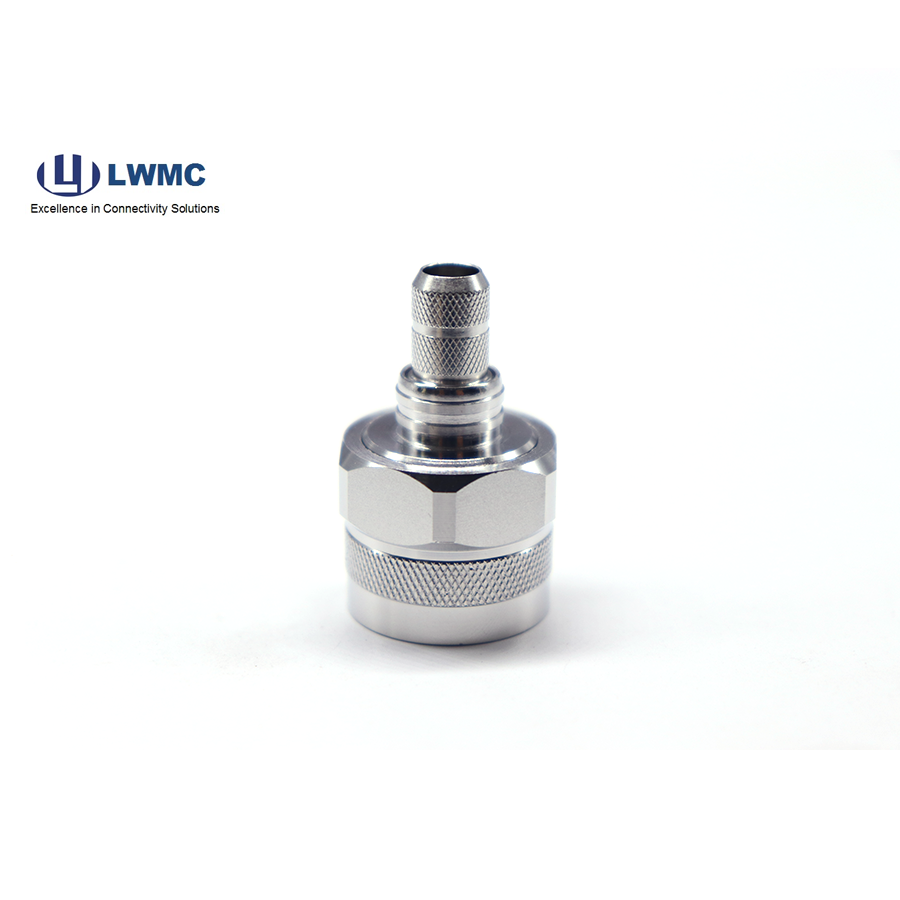
The choice of a suitable coaxial connector to use is essential in maintaining the signal integrity, system reliability as well as cost-efficiency of the RF application. Linkworld has more than 20 years of RF experience and realizes that every industrial use presents a special need on the interconnect components. SMA, BNC and N-Type continue to be the most popular to use in industry. This comparison of the technical assist you in making a good choice.
SMA: The Precision Choice for High-Frequency Modules
SubMiniature version A (SMA) connector is the standard of the industry of the compact and high frequency usage. Its threaded system of coupling (1/4-36 thread) gives it secure, stable connections that are best suited in cases where there are concerns of vibration. Frequencies up to 18 GHz are supported on standard versions, with precision models up to 26.5 GHz, so they are the most popular choice when space, time, or cost are constraints, and microwave systems such as GPS modules, antenna assemblies, and telecommunications infrastructure are involved. The threaded interface and reduced physical size however makes them less applicable in quick-disconnect or high-power transmission. Linkwood suggests the use of SMAs in board to cable internal connections in wireless systems with limited space and high performance as the primary consideration.
BNC: The Standard for Versatility and Quick Setup
Much better known, the Bayonet Neill Concelman (BNC) connector has the reputation of being easy to use. Its bayonet mechanism of coupling enables it to lock and unlock within quarter turns making it very easy to set up in a testing and measurement setup. BNCs come in 50-Ohm and 75-Ohm versions. The 50-Ohm model is used widely in test equipment and telecommunications, and is reliable up to 4 GHz. Broadcast and video applications use the 75-Ohm version in CCTV cameras and studio patch panels. Whereas conventional BNCs are restricted to a range of approximately 4 GHz, such innovation as HD-BNC raises the frequency to 12 GHz in 4K video use with a reduced size. BNCs are more convenient than any other product when it comes to industrial applications that may need to disconnect frequently and all-purpose testing in RF.
N-Type: The Rugged Performer for Outdoor and High-Power Needs
The N-Type connector is the ultimate option when durability and power handling are the main factors. It can be attached to any rugged threaded coupling mechanism (5/8-24 thread) more robust and larger than SMA, which provides excellent stability against weather conditions as well as vibration. A 50-Ohm connector, with frequency response as high as 11 GHz (enhanced versions to 18 GHz), is typically used as the interface of base stations, radar systems, outdoor antennas, and also aerospace applications. Sealed design options are better resistant to moisture and corrosion and therefore offer long term reliability in tough environments.
Selecting the Optimal Connector
A decision between SMA, BNC, and N-Type should be made based on the way to balance electrical needs and mechanical and environmental requirements.
In the case of High-Frequency Modules (5G, Microwave Radios): Select SMA. Its threaded enclosure and ability to go up to 18GHz+ with signals is a guarantee of a stable low loss transmission in small enclosures.
In the case of Test Labs and Video Equipment: Select BNC. Quick-connect bayonet design provides faster workflow and 50/75 Ohm wide availability enables the use of the connector with oscilloscopes, signal generators and broadcast equipment.
In the case of Outdoor and High-Power Installations (Antennas, Radar): Select N-type. The heavy threading and tough exterior construction ensure mechanical stability and stability in high-vibration and high-outside conditions.
At Linkworld, with our RF connector experience we have the ability to work with the designers at the initial phases of design to identify the best interconnect solution. SMA accuracy or BNC flexibility, N-Type ruggedness, or any other connector behaviors, find the connector features that best suit your application and increase the overall performance and stability of your system.