
 EN
EN
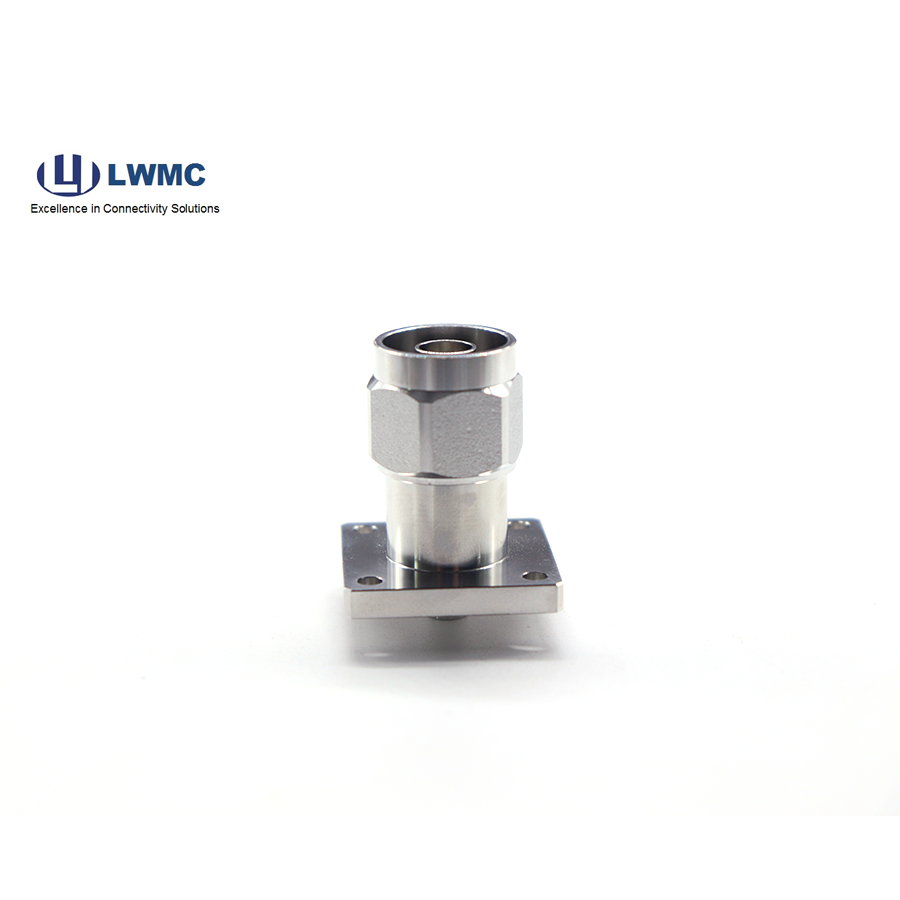
ٹیلی کام میں، فلٹرز فریکوئنسی کے دروازہ دار ہوتے ہیں، کیونکہ سگنلز صرف اُن جگہوں پر منتقل ہوتے ہیں جہاں وہ ہونے چاہیے، اور رُکاوٹوں سے بچتے ہیں۔ بیس اسٹیشنز، مائیکرو ویو لنکس یا سیٹلائٹ ٹرمینلز کی ترقی میں، انجینئرز کو بنیادی فیصلہ کرنا ہوتا ہے کہ کو ایکسیل کیویٹی یا ویو گائیڈ فلٹرز کا استعمال کرنا ہے۔ ان میں سے ہر ایک کے اپنے منفرد فوائد ہیں جو فریکوئنسی، طاقت، سائز اور سسٹم آرکیٹیکچر پر منحصر ہوتے ہیں۔ کو ایکسیل فلٹرز عام طور پر اُن درجوں میں سب سے زیادہ استعمال ہوتے ہیں جہاں چھوٹے سائز اور ڈیزائن کی لچک کی ضرورت ہوتی ہے اور جو 6 گیگا ہرٹز سے کم فریکوئنسیوں کے لیے ہوں، جبکہ زیادہ فریکوئنسیوں پر ویو گائیڈ فلٹرز کو ترجیح دی جاتی ہے کیونکہ ان کا نقصان کم ہوتا ہے اور ان فریکوئنسیوں پر زیادہ طاقت کو سنبھالنے کی ضرورت ہوتی ہے۔ LINKWORLD ایک عالمی کمپنی ہے جو دونوں ٹیکنالوجیز کی پیداوار میں مصروف ہے، جس کے پاس آر ایف (RF) کے شعبے میں 20 سال سے زائد کا تجربہ ہے۔ یہ رہنمائی دستاویز ان اہم پہلوؤں کو بیان کرتی ہے جو اس قسم کے فلٹرز کو ایک دوسرے سے ممتاز کرتے ہیں۔
فریکوئنسی رینج اور برقی کارکردگی
عمل کی فریکوئنسی عام طور پر صحیح اور مناسب ٹیکنالوجی کو ظاہر کرتی ہے۔ کو ایکسیل فلٹرز ٹرانسورس الیکٹرو میگنیٹک (TEM) موڈ کے استعمال سے پھیلتے ہیں، اور یہ ڈیزائن کی حدود اور ڈی سی کے درمیان فریکوئنسیوں کو سپورٹ کرتے ہیں۔ ان کا وسیع پیمانے پر 400 میگا ہرٹز سے لے کر تقریباً 6 گیگا ہرٹز تک کے سیلولر بیس اسٹیشنز میں اچھے عمل کے ساتھ اور معقول سائز کے ساتھ استعمال کیا جاتا ہے۔ 5G سب-6 گیگا ہرٹز درجہ بندیوں میں تنگ بینڈ چینلز کو منتخب کرنے کے لیے ریزونیٹر Q-فیکٹرز کے ساتھ کو ایکسیل کیویٹی فلٹرز کا استعمال کیا جاتا ہے جو 3,000 تک ہو سکتے ہیں۔ یہ ہائی پاس کی نوعیت ذاتی طور پر بہت زیادہ ہوتی ہے اور اسے تقریباً 4 گیگا ہرٹز سے بالاتر کے لیے مثالی بناتی ہے۔ ملی میٹر ویو فریکوئنسی کی حد میں، جہاں 30 گیگا ہرٹز اس حد کا ایک سرے ہے اور اس حد کی زیادہ بلند فریکوئنسیوں میں کو ایکسیل ساختوں میں انتہائی زیادہ نقصانات اور اعلیٰ رتبہ موڈز کا سامنا کرنا پڑتا ہے، صرف ویو گائیڈز ہی عملی طور پر استعمال کیے جا سکتے ہیں۔ ویو گائیڈ فلٹرز کا داخلی نقصان 94 گیگا ہرٹز پر 0.15 ڈی بی تک ہوتا ہے، جبکہ کو ایکسیل متبادل کے مقابلے میں یہ 0.47 ڈی بی ہوتا ہے۔
داخلی نقصان اور طاقت کا سنبھالنا
ہر ڈیسی بل کا نقص براہ راست کوریج علاقے، ڈیٹا ریٹس اور آپریشن کی لاگت پر اثر انداز ہوتا ہے۔ ویوگائیڈ فلٹرز دونوں پہلوؤں میں اچھے ہوتے ہیں۔ ان کی دھاتی خالی ساختیں کوئی ڈائی الیکٹرک نقص نہیں رکھتیں، اور سگنل ہوا سے بھرے ہوئے کھلے راستوں میں منتقل کیے جاتے ہیں۔ کُو-بینڈ (12–18 گیگا ہرٹز) میں ویوگائیڈ کا داخلی نقص تقریباً 0.15 ڈی بی/میٹر ہوتا ہے، جبکہ کو ایکشل حل کے مقابلے میں یہ 0.67 ڈی بی/میٹر ہوتا ہے—یعنی 4.5 گنا کم۔ طاقت کے استعمال کے معاملے میں بھی یہی بات درست ہے: کیو-بینڈ میں WR-42 ویوگائیڈز 20 کلو واٹ پلس پاور کو گزار سکتے ہیں، جو کو ایکشل متبادل کے مقابلے میں 400 گنا زیادہ ہے۔ کو ایکشل فلٹرز اپنے مقصد کے مطابق استعمال کے دائرے کے اندر اچھی کارکردگی حاصل کرتے ہیں—معیاری L-بینڈ فلٹرز کا داخلی نقص 0.5 ڈی بی سے کم ہوتا ہے۔ اس کا نقصان وہ ڈائی الیکٹرک مواد ہے جو نقص کے آلات فراہم کرتا ہے، جو ویوگائیڈ کی صورت میں موجود نہیں ہوتے۔ سکن ایفیکٹ زیادہ تعدد پر کرنٹ کو پتلی سطحوں میں مرکوز کر دیتا ہے اور پلیٹنگ کی معیاری ضرورت ہوتی ہے۔
جسمانی سائز اور ایکیاں کے تناظر
ٹیلی کام انفراسٹرکچر کو بھی چھوٹے سائز کے اجزاء کی زیادہ ضرورت ہوتی ہے۔ اس صورت میں، کو ایکشل فلٹرز کے بہت فوائد ہیں۔ ٹی ایم (TEM) ریزونیٹرز عمدہ کارکردگی فراہم کرتے ہیں، لیکن ان کا جسمانی حجم Q-فیکٹر کی ضروریات کے مطابق بڑھ جاتا ہے۔ نئی ٹیکنالوجیاں اس مسئلے کا حل پیش کرتی ہیں؛ ڈائی الیکٹرک ریزونیٹر فلٹرز میں ہوا کے خالی تہہ کو اعلیٰ گزر دہی (پرمیٹیویٹی) والے سرامک مواد سے تبدیل کر دیا جاتا ہے؛ جس سے فوٹ پرنٹ 50 فیصد تک کم کیا جا سکتا ہے، جبکہ برقی کارکردگی پر کوئی اثر نہیں پڑتا۔ 5G میسیو مِمو (MIMO) بیس اسٹیشنز نے سرامک ڈائی الیکٹرک فلٹرز کی طرف رجوع کیا ہے۔ ویو گائیڈ فلٹرز خود بخود ہمیشہ کافی بڑے ہوتے ہیں— ان کے ابعاد طولِ موج کے براہ راست تناسب میں ہوتے ہیں۔ لیکن جب تعدد ملی میٹر ویو کی لمبائی تک بڑھ جاتا ہے جہاں طولِ موج ملی میٹر تک کم ہو جاتا ہے، تو ویو گائیڈ کا سائز حیران کن حد تک چھوٹا ہو جاتا ہے۔ سبسٹریٹ انٹیگریٹڈ ویو گائیڈ (SIW) ٹیکنالوجی ایک ایسی ٹیکنالوجی ہے جو منصوبہ بند (پلانر) PCB کے ابعاد میں ویو گائیڈ جیسے ڈیزائن فراہم کرتی ہے، جس میں کم نقصان (لوس)، مُدمَجّد (کمپیکٹ) ابعاد اور ایکیویشن کی صلاحیت شامل ہے۔
ماحولیاتی استحکام اور طویل مدتی قابل اعتمادی
ٹیلی کام کا بنیادی ڈھانچہ اکثر دہائیوں سے باہر تعینات کیا جاتا ہے۔ ویو گائیڈ ڈیزائن انتہائی مستحکم ہیں- تمام دھاتی ڈیزائن تھرمل توسیع کے فرق اور آؤٹ گیسنگ کا تجربہ نہیں کرتے ہیں۔ -55°C اور +125°C کے درمیان تھرمل سائیکلنگ کی وجہ سے WR-15 ویو گائیڈز کا طول و عرض صرف -0.008 dB/°C کے مساوی ہے، جبکہ سماکشی ڈھانچے میں PTFE ڈائی الیکٹرکس سردی میں سکڑتے ہیں جس کے نتیجے میں رکاوٹ کی مطابقت نہیں ہوتی ہے۔ گہری جگہ میں، ویو گائیڈ فلٹرز تابکاری کی مقدار کے خلاف مزاحمت کرتے ہیں تاکہ کواکسیئل ڈائی الیکٹرکس کو کاربنائز کیا جا سکے۔ اسی طرح کے استحکام کو حاصل کرنے کے لیے، کم توسیعی مرکبات اور درجہ حرارت کی تلافی کرنے والے ڈائی الیکٹرک سپورٹ کے استعمال میں سماکشی فلٹرز کو احتیاط سے منتخب کرنے کی ضرورت ہے۔ ہرمیٹک سگ ماہی نمی کے داخل ہونے سے بچاتی ہے۔ جدید 5G بیس اسٹیشن فلٹرز کی کارکردگی -40 o C سے +85 o C کے درمیان ایک چھوٹی فریکوئنسی ڈرفٹ کے ساتھ ہے۔
اس انتخاب میں تعدد، نقصان، جسمانی پابندیوں اور ماحولیاتی ضروریات کے درمیان موازنہ شامل ہوتا ہے۔ سب-6 گیگا ہرٹز کی حد تک کو ایکسیل فلٹرز ترجیحی انتخاب ہیں، کیونکہ ان کا چھوٹا سائز اور ایکیلیشن کی آسانی زیادہ اہم ہے، جو بڑھے ہوئے نقصان کے مقابلے میں ہے۔ تقریباً 10 گیگا ہرٹز اور اس سے زیادہ تعدد پر، بہتر نقصان کی خصوصیات اور زیادہ طاقت کے ساتھ کام کرنے کی صلاحیت کی وجہ سے، اور سخت تر ماحولیاتی حالات میں کام کرنے کی صلاحیت کی وجہ سے ویو گائیڈ فلٹرز لازمی ہو جاتے ہیں۔ 5G کے ملی میٹر ویو کی طرف منتقل ہونے اور 6G کے اور زیادہ تعدد کی طرف بڑھنے کے ساتھ ٹیکنالوجیاں تبدیل ہو رہی ہیں، جس میں نئے ڈائی الیکٹرکس اور صغیریت کے ساتھ کو ایکسیل ڈیزائن اور SIW اور ایڈیٹو مینوفیکچرنگ پر مبنی ویو گائیڈ ٹیکنالوجی شامل ہے۔ لنک ورلڈ کو RF تیاری میں دونوں ٹیکنالوجیوں میں 20 سال سے زائد کا تجربہ حاصل ہے، جو ٹیلی کام انفراسٹرکچر کی ضروریات کے مطابق فلٹرز، اسمبلیاں اور ڈیزائن ماہریت فراہم کرتا ہے۔ اپنی خاص فلٹر کی ضروریات کے بارے میں ہم سے رابطہ کریں۔