
 EN
EN
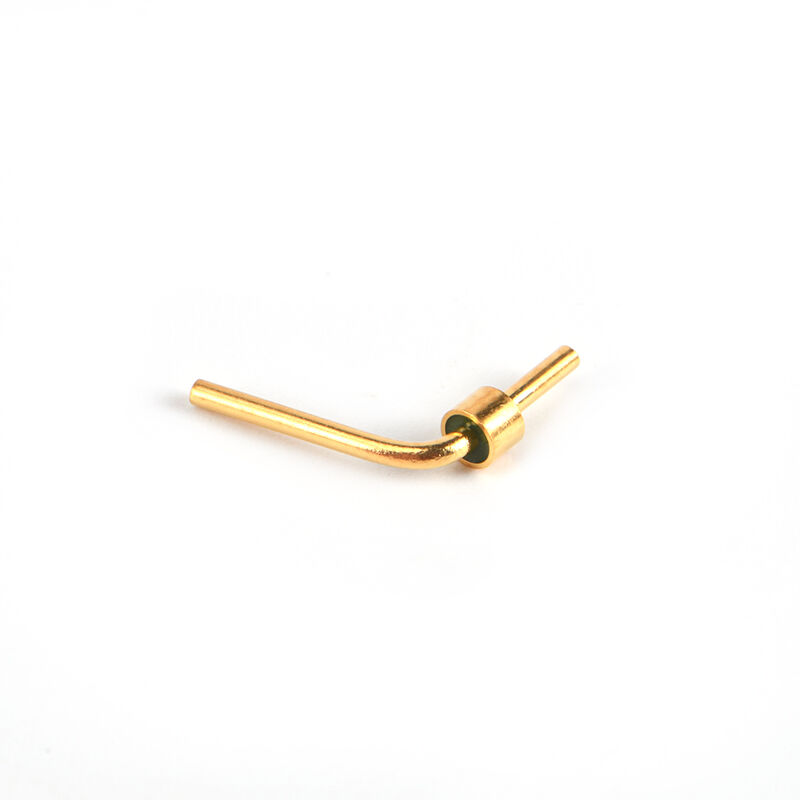
With the wireless networks becoming 5G and higher, the RF infrastructure density increases exponentially. In closer proximity, there are macro cells, small cells and distributed antenna systems, which deal with greater data rates and more signal power. Microwave passive components such as filters, couplers, dividers, attenuators, terminations, etc., are under strain like never before in this environment. Passives, in contrast to active components, are not capable of gaining to overcome their limitations; to handle power they are essentially the result of material, geometry and thermal performance. We do high-density network power passive components engineering at Linkworld, where we have more than 20 years of RF expertise. In this guide, we will examine four areas that are critical in the determination of power handling.
Thermal Management: The Ultimate Limiting Factor
Heat is the fundamental limit to power handling. As RF energy is traversed by a single component, some is lost to dielectric and resistive loss in the form of heat. This heat will need to be dissipated to avoid performance loss or disastrous breakages. Contemporary high density networks take this challenge to the limits. Directional couplers with 250 W are now being offered in small surface-mount packages as small as 0.12 x 0.06 inches. CVD synthetic diamond has thermal conductivity three to four times greater than copper, and allows components to dissipate over 10 W CW and operate at above 40 GHz in the space grade package. The high-power components of Linkworld also have considered the strategies of effective thermal management, such as efficient use of the heat path and use of high-thermal-conductivity substrates.
Material Selection for High-Power Performance
Capabilities of power handling are basically determined by materials. The conductors should minimize resistive losses that cause heating and dielectrics should retain their stable characteristics in high temperatures. The choice of material is critical where terminations and loads are required to absorb RF energy. High-thermal-conductivity substrates with advanced thin film technology have been developed into resistors, with terminations capable of 300 W and 50 W, respectively, up to 26.5 and 6 GHz DC respectively. Materials that are not magnets are becoming of significance in order to avoid PIM, which deteriorates with high power level. At microwave frequencies, skin effect constrains current to conductor surfaces and hence surface finish and plating quality is important. Components made by Linkworld are of highly accurate materials chosen with regards to electrical and thermal characteristics.
Mechanical Construction and Connector Interfaces
Heat must be conducted away through connector interfaces. Heat should be conducted out connector interfaces into heatsinks. Heavy metal enclosures of such thick walls offer thermal mass and conduction conduits and retain mechanical integrity due to thermal stress. The connector interfaces should be able to support low electrical contact resistance and be thermal conductors. When the highest power is needed then larger connector sizes such as 7-16 or 4.3-10 have a benefit over smaller interfaces such as SMA in terms of current carrying capacity and thermal conductivity. The high-power components of Linkworld have mechanical designs that optimize the electrical performance of the component and thermal management, making sure that the power handling capability of the component is not undermined by limitations on interfaces.
System-Level Considerations for High-Density Deployments
In dense networks, more than one component can communicate, which adds complexity to the system to component ratings. Being in a small enclosure means that several components are placed into close relationship leading to the generation of heat and raising temperatures of the ambient region and reducing the effective power dissipation of each component. This is compounded by the spatial density, placing coplanar dividers, couplers and filters and terminations together in a small space, such as with the modern base station, will cause the wastes heat of one device to affect the others. This necessitates thermal analysis at the system level and forced cooling or even strategic placement in most cases. In the operation of peak power, the transient conditions of the day like lightning surges or transient of amplifier should be considered. The engineers of the Linkworld have also collaborated with the customers in choosing the components, spacing of the components, and the thermal handling to make sure that they perform well in dense deployments.
Management of power in microwave passive components is a complex problem, which touches upon the thermal management, material sciences, mechanical design and systems integration. As the density of the networks increases and power level increases, passive components must be invented. Components that can accommodate the present high-density network power requirements are available due to the utilization of superior materials, advanced thermal design and construction, and attentive system planning. Linkworld has an experience of over twenty years in production of RF components and a long track record in high power hence in their most complicated deployments, network operators are sure that Linkworld would provide them with the component they need. Contact us and discuss your high-power passive components requirements.