
 EN
EN
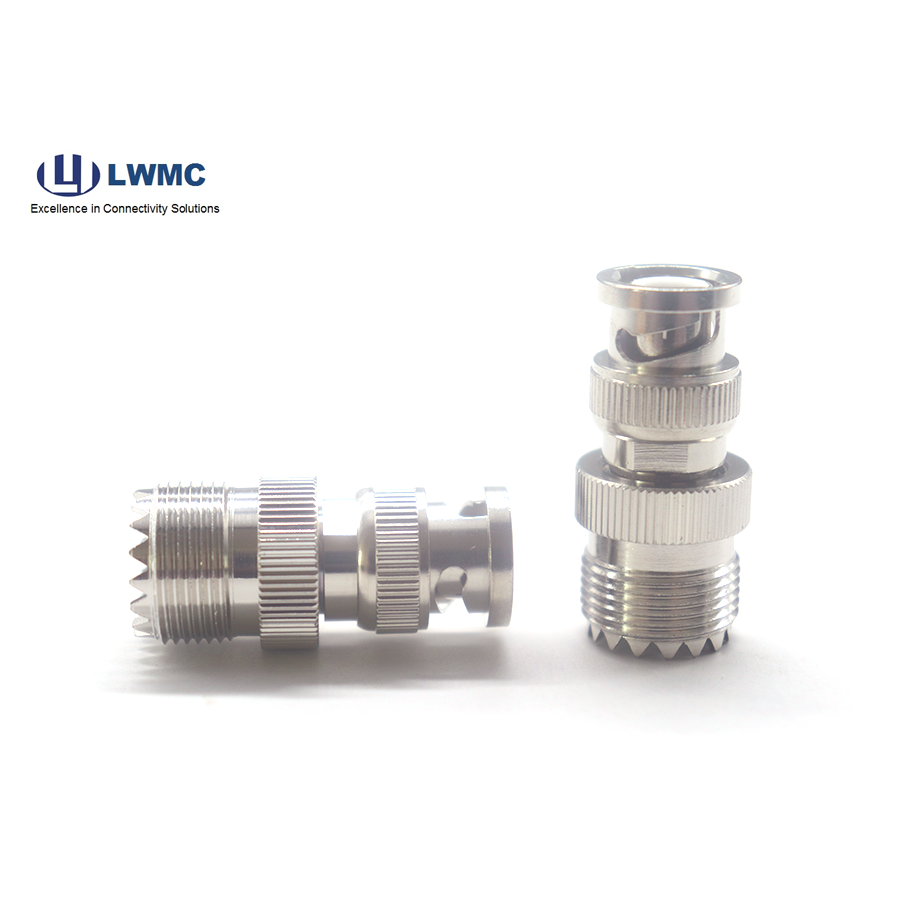
Passive components like microwave filters, couplers, dividers and attenuators are instructed to silently operate in the background in telecommunications infrastructure and are fundamental determinants of network performance, capacity and reliability. The information about the key performance indicators (KPIs) that define the quality of passive components is important to the network operators. We are Linkworld and we have over 20 years of RF experience, we are designing and manufacturing passive components to the utmost requirements of the telecom requirements. Four main KPIs of passive components evaluation will be addressed in this guide.
Insertion Loss and Signal Efficiency
The concept of insertion loss is used to measure the power of the signal that is being dissipated by a component. Every decibel loss directly affects the coverage area, data rates or additional amplifier power in a negative way. Passband insertion loss in filters and diplexers should be minimized with reasonable effort not to soften the rejection out of band. The classical specifications range between 0.5 dB and 2 dB in terms of complexity and frequency. Power dividers cause natural splitting loss and dissipative losses. Small insertion loss is also significant in tower-top designs where a single decibel of loss is preserved is a burden on tower-mounted amplifiers and also contributes to the noise figure of the system. The passive components of Linkworld are best performing in the terms of the insertion losses to use maximum productivity in the system and to be cost effective at the same time.
Return Loss and Impedance Matching
The principle of return loss approximates the resemblance between the characteristic impedance of the system and the 50 Ohms input impedance of a component. High return loss Signal energy is reflected back to the source. The return loss must be much more stringent in present-day telecom networks (18 dB or higher (VSWR =1.28:1) or 20 dB in the worst case). Poor return loss means that available signal is low and that standing waves are generated which puts a strain on amplifier output stages and multi-carrier systems may have passive intermodulation with non-linear interaction at impedance discontinuities. The components of the Linkworld design are based on impedance-matched designs, and the internal structure is set to have the same characteristic impedance on each transition. Each component is put through strict tests in terms of both return loss and the range of frequencies in a component.
Passive Intermodulation (PIM) Performance
PIM has been defined as what is possibly the most crucial KPI in passive components. Two or more carriers of high power through non-linear junctions combine in various combinations of interfering signals which may enter the receive bands. PIM is typically applied at test tone powers (typically +43 dBc or dBm), in dBc or dBm. A typical PIM specification of -150 dBc (or less) is common in the case of macro cell infrastructure and it will be necessary to achieve -160 dBc in a few applications. The ferromagnetic materials, poor contact between dissimilar metals, loose fittings and contaminations are some of the sources. In designs, ferromagnetic material in designs is eliminated, plating systems are brought in to generate consistent plating in designs and strong mechanical construction is used, which enables the designs to withstand to the thermal cycling and vibrations.
Power Handling and Environmental Robustness
The telecom passive components must be able to handle high big RF power levels, and they must be capable of surviving decades of exposure to the elements. Continuous RF power dissipation is the average power which the component can dissipate without overheating. High power dissipation components are made to dissipate heat through choice of material, architectural planning of thermal loops and by heatsinking. Peak power operation is concerned with transients like lightning spikes. Salt sprays are used to check such environmental requirements as operating temperature range (-40degC to +85degC), ingress protection (IP67/IP68) and corrosion resistance. The tower should be capable of the elements on the top to withstand the load of the wind and vibration, and solar radiation. These challenges are specifically designed to be overcame with the help of the elements of Linkworld, and materials as well as the construction of the elements prove it, based on the decades of the field operation.
Microwave passive components are the direct determinants of the quality, capacity and reliability of the telecommunications networks. The insertion loss, return loss, PIM, and power handling- all these KPIs must be optimized in a bid to make networks successful. In the context of the networks of 5G and other higher-frequency 5G networks, and more dense networks, the functionality of passive components is of increasing significance. Linkworld possesses over two decades of experience in manufacturing RF and long telecom infrastructure experience and the passive components network operators use when they implement their most critical applications. Contact us and discuss your requirements.