
 EN
EN
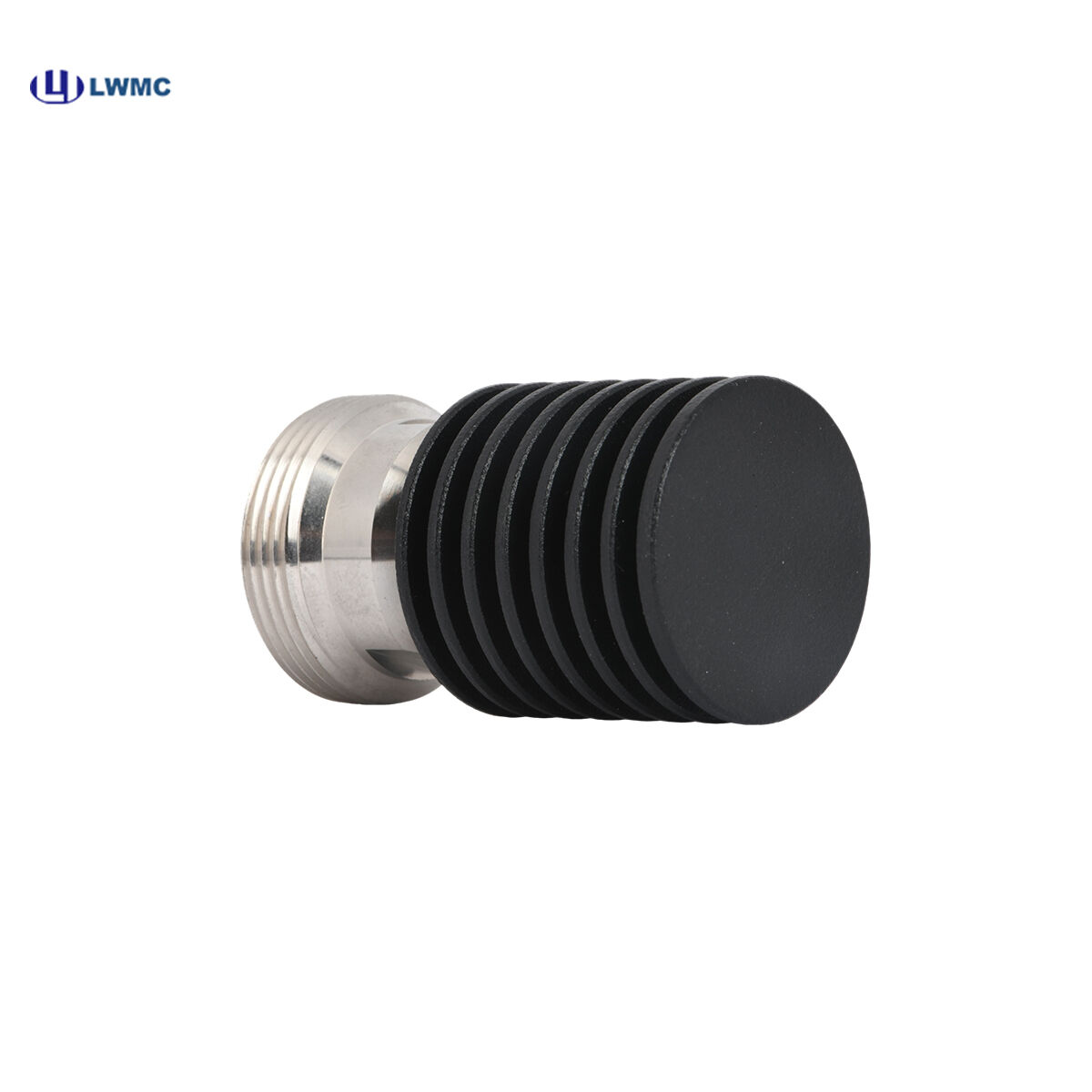
RF and Microwave systems need to be frequency stable. Passive components can be used in satellite communications and radar, in test instrumentation and 5G infrastructure, to provide the reliability of a system directly because of the capability to operate reliably across a range of temperatures, mechanical stress and time. Filter and resonator drift can lead to frequency shift in centers and compromise mission purposes. Having over 20 years of RF experience, we design RF passive components at the microwave frequencies with excellent frequency stability at Linkworld. The current guide deals with four critical aspects to define high-frequency stability.
Temperature Stability and Material Selection
Change in temperature is the major cause of frequency drift. Resonant frequencies vary, dielectric constants vary and materials vary in size because of variation in temperature. The temperature coefficient of resonant frequency is the controlling basic material property. To create composite materials that have constant frequency over a wide temperature range, engineers can produce materials incompatible to each othe, a technique known as compensation. The quality of the materials used like the Yttrium Barium Copper Oxide (YBCO) thin film is very high and the stability of the material is very high in high-reliability situations. Dielectric materials have been used by the passive components of the Linkworld to ensure that frequency drift does not surpass the limits of the operating range as they have been selected and defined as stable at temperatures.
Mechanical Construction and Vibration Resistance
Mechanical considerations will cause a huge effect on the stability of frequencies, particularly in the resonant structures. YIG (Yttrium Iron Garnet) filters can be treated as an example of such sensitivity - they are susceptible to microphonism, frequency change caused by mechanical vibration that alters the position of the critical elements. The consequences of these effects can be intolerable frequency modulation of high vibration environments such as airborne platforms or mobile ground stations. The momentary variations are also occasioned by thermal gradients in components when subjected to rapid temperature change. The mechanical designs of the devices employed by Linkworld possess strong mounting systems, vibration absorbing devices, and thermal control. In order to provide our components with stability in the real world, we provide them with vibration and thermal cycling tests in the presence of a mission critical application.
Advanced Compensation Techniques
Current systems have evolved extremely sophisticated ways of compensation that do not simply involve the choice of materials. Active compensation causes the material with incompatible temperatures coefficient to be directed into the component structure using passive compensation. The compensating dielectrics can be added as additional layers in LTCC technology to effectively compensate the overall temperature coefficient to design out the sensitivity at a material level. Active compensation systems provide correction in real time in the instance that there is ultimate stability. The phase-locked loop designs may cause the center frequency of the filter to track an input signal, which corrects drift. Some advanced frequency mixing systems have demonstrated stability on the order of 2.3×10⁻¹⁷ over 10,000 seconds. Though extreme stability can only be achieved by system-level implementation, these elaborate compensation architectures can be applied amongst the elements of Linkworld.
Calibration and Characterization for Critical Applications
Frequency stability in the most problematic applications should be demonstrated by thorough characterization in the case. Special problems are associated with the cryogenic applications and performance at a deep cryogenic temperature (4.2 K, and lower) is extremely different to the room temperature. Such applications as deterministic quantum computing interfaces need knowledge of full temperature-dependent behavior. Lot-level characterization will ensure that there is consistency in production volumes as compared to the fact that some of the most critical systems can require that individual component is adjusted. The characterization information provided by Linkworld is also specified using precise parts and our engineering department helps our customers to develop the appropriate calibration plans.
High-frequency stability Microwave passive component High-frequency stability is a collection of material science, mechanical engineering, thermal management and compensation. It has frequency drift due to temperature, mechanical vibration, aging and deterioration that deteriorates the performance of the system. The designers will be able to achieve the stability that the existing RF systems are in need of by being aware of these factors and implementing mitigation measures to address them. Linkworld has over 2 decades of experience in RF product production as well as a vast amount of knowledge in very precise components, which help it provide frequency stable devices that can be relied upon by it in the most challenging of environments. Write to us to express your requirement of microwave passive parts.